










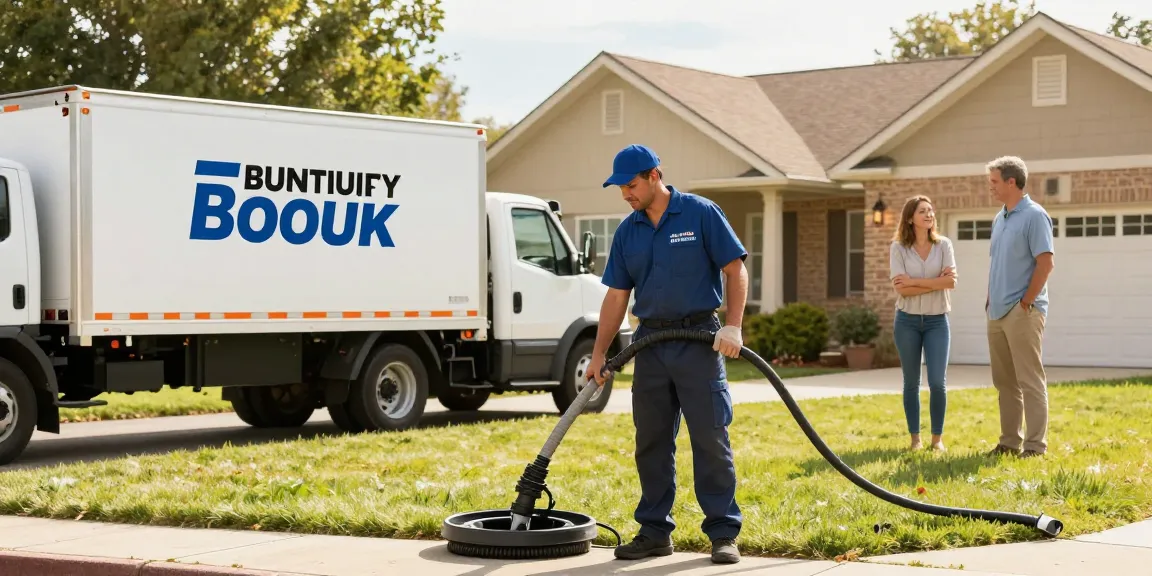
Understanding Septic Pumping Services
Septic pumping is a crucial service for homeowners and property managers who rely on septic systems for wastewater treatment. Proper septic maintenance can prevent costly repairs and ensure that your system functions efficiently. In local communities, such as Milton, having reliable access to certified septic pumping services not only supports individual homes but also contributes to overall public health and environmental safety. When exploring options, septic pumping services can help maintain your system and extend its lifespan.
What is Septic Pumping?
Septic pumping is the process of removing accumulated sludge from a septic tank. Over time, solid waste settles at the bottom of the tank, forming a layer of sludge that can eventually clog the system if not removed. Professional septic service providers utilize specialized equipment to safely pump out the tank, ensuring that your septic system operates effectively and reducing the risk of backups or overflows.
Importance of Regular Maintenance
Regular septic pumping is vital to the longevity and health of your septic system. Most experts recommend having your septic tank pumped every three to five years, though this can depend on usage and tank size. Failing to maintain this schedule can lead to increased costs down the line, including emergency pumping, repairs, or even full system replacement.
What to Expect During a Pumping Service
When you schedule a septic pumping service, you can typically expect the following steps:
- Inspection: The technician will inspect the septic system to assess its condition and determine if pumping is necessary.
- Pumping: Using a vacuum truck, the technician will remove sludge from the tank.
- Final Inspection: After pumping, the technician will check for any issues like leaks or damaged components.
This process generally takes around 1 to 3 hours, depending on the size of the tank and the condition of the system.
Choosing the Right Local Septic Pumping Provider
Selecting a trustworthy septic pumping company is essential for ensuring that your system is serviced correctly. Always look for a provider that is licensed, bonded, and insured to protect yourself from liability in case of accidents or damages during the service.
Qualities of a Trusted Provider
Key qualities to look for in a septic pumping provider include:
- Experience and knowledge of septic systems.
- Transparent pricing and detailed estimates.
- Strong customer reviews and testimonials.
- Certification by local health departments or relevant authorities.
Questions to Ask Before Hiring
When interviewing potential septic pumping services, consider asking the following questions:
- What qualifications and certifications does your staff hold?
- Can you provide references from previous customers?
- What does your service include, and are there any additional fees?
- How do you handle emergencies or potential issues that may arise during the service?
Local Reviews and Recommendations
Research local reviews on platforms like Yelp or Google to gauge customer satisfaction levels. Recommendations from neighbors or community forums can also provide valuable insights into reliable local septic pumping services.
Septic Pumping Costs and Pricing Guides
The cost of septic pumping can vary widely based on several factors including tank size, service location, and accessibility. Understanding these costs can help you budget effectively and plan for regular maintenance.
Factors Influencing Septic Pumping Costs
Some of the primary factors that can affect the cost of septic pumping include:
- Size of the septic tank
- Geographical area and local waste disposal fees
- Level of sludge buildup
- Accessibility of the tank (e.g., location relative to the house)
Typical Price Ranges for Your Area
In most regions, the average cost for septic pumping typically ranges from $250 to $800. Smaller tanks or systems that are easily accessible may incur lower costs, while larger tanks or those in difficult-to-reach locations may see higher fees. It’s advisable to obtain a few quotes from different service providers to find the best price.
Cost-Benefit Analysis of Professional Pumping
Investing in professional septic pumping can save you money over time. Regular maintenance can prevent expensive repairs caused by system failures, extend the lifespan of your tank, and protect your property from unpleasant backups.
Licensing and Compliance in Septic Services
Compliance with local regulations and standards is crucial when hiring septic service providers. This not only protects your investment but also helps to maintain public health and safety.
Importance of Hiring Licensed Professionals
Only licensed professionals have the necessary training and understanding of state regulations regarding septic systems. Hiring an unlicensed company can result in substandard work and potential legal issues.
Local Regulations and Compliance Standards
Each state has specific rules regarding septic systems, including installation, maintenance, and inspections. Familiarize yourself with these standards to ensure your service provider adheres to all local laws.
Insurance Coverage: What You Should Know
Ensure that your chosen septic pumping provider holds liability insurance. This coverage protects you in the event of an accident or damage during service, giving you peace of mind while they handle your septic system needs.
Maintaining Your Septic System Between Pumping Sessions
As a homeowner, there are several steps you can take to maintain your septic system and ensure it functions properly between professional pumpings.
DIY Maintenance Tips for Homeowners
Some proactive measures include:
- Avoid flushing non-biodegradable items.
- Limit water usage during heavy rains to prevent overloading the tank.
- Regularly check for leaks or unusual odors around the tank area.
Signs Your Septic System Needs Attention
Be alert to warning signs such as:
- Slow draining sinks or toilets
- Unpleasant odors in the yard or around septic components
- Pooling water above the drain field
Seasonal Maintenance Best Practices
During seasonal changes, particularly during heavy rains or freezing temperatures, check your septic system for signs of stress. For more information, Miltonsepticpumping.com offers valuable insights. It’s advisable to schedule a professional inspection if you observe any unusual conditions.

