









Understanding the Needs of Your Great Dane
Great Danes are often affectionately referred to as “gentle giants” due to their imposing size coupled with a typically sweet temperament. However, owning one of these magnificent dogs comes with its own unique set of responsibilities and challenges. Understanding the health, dietary needs, and behavioral tendencies of Great Danes can significantly enhance the bond between you and your pet. For those looking for deeper insights into the care and management of these dogs, click here for resources tailored specifically to the needs of large breeds.
Common Health Concerns for Great Danes
Great Danes are prone to several health issues due to their size and unique physiology. One of the most concerning conditions is bloat, or gastric torsion, which can be fatal if not treated immediately. This condition occurs when the stomach fills with gas and twists, cutting off blood supply. Regular feeding schedules and avoiding vigorous exercise right after meals can help mitigate this risk.
Additionally, hip dysplasia is another prevalent issue within the breed, where the hip joint does not fit snugly into the hip socket. This can lead to pain and mobility issues. Early diagnosis through veterinary checkups and maintaining a healthy weight are essential to managing this condition.
Heart disease, particularly dilated cardiomyopathy, is also a concern. It’s crucial to monitor your dog’s heart health, especially as they age. Regular vet visits and a diet rich in essential nutrients can help promote cardiovascular health.
Feeding Guidelines for Optimal Growth
Feeding a Great Dane is about more than just filling their bowl. These dogs require a balanced diet rich in high-quality protein to support their massive frames. Puppy formulas designed for large breeds can promote healthy growth during the crucial development stages. It’s important to feed them smaller, more frequent meals to avoid bloat.
- Age: Puppies require different nutrients compared to adults. Make sure to switch to an adult formula once they reach about 18 months.
- Portion Control: Always follow the recommended feeding guidelines based on your dog’s age and weight to help prevent obesity.
- Hydration: Fresh water should always be available, as hydration is vital for their overall health.
Socialization Tips for Happy Behavior
Socializing your Great Dane from a young age can prevent behavioral issues and foster a well-rounded companion. Gentle exposure to other dogs, pets, and humans is essential. Here are some effective strategies for socialization:
- Puppy Classes: Enroll your Dane in puppy training classes. These classes often include interaction with other puppies, which can help build social skills.
- Playdates: Organize playdates with other friendly dogs of various sizes to expose your Great Dane to different temperaments and play styles.
- Exposure to Environments: Take your Dane to parks, pet-friendly shops, and busy streets to help them become accustomed to various sights, sounds, and smells.
Creating a Safe and Comfortable Home Environment
Essential Supplies for Your Great Dane
Before bringing your Great Dane home, it’s crucial to gather the necessary supplies to ensure their comfort and safety. Here are some must-haves:
- Spacious Bed: A large, supportive dog bed is essential for their comfort and proper sleep.
- Food and Water Bowls: Invest in heavy, stainless steel bowls that won’t tip over easily.
- Leash and Collar: A sturdy leash and collar are important for walks and training sessions. Consider a martingale collar to prevent slipping off.
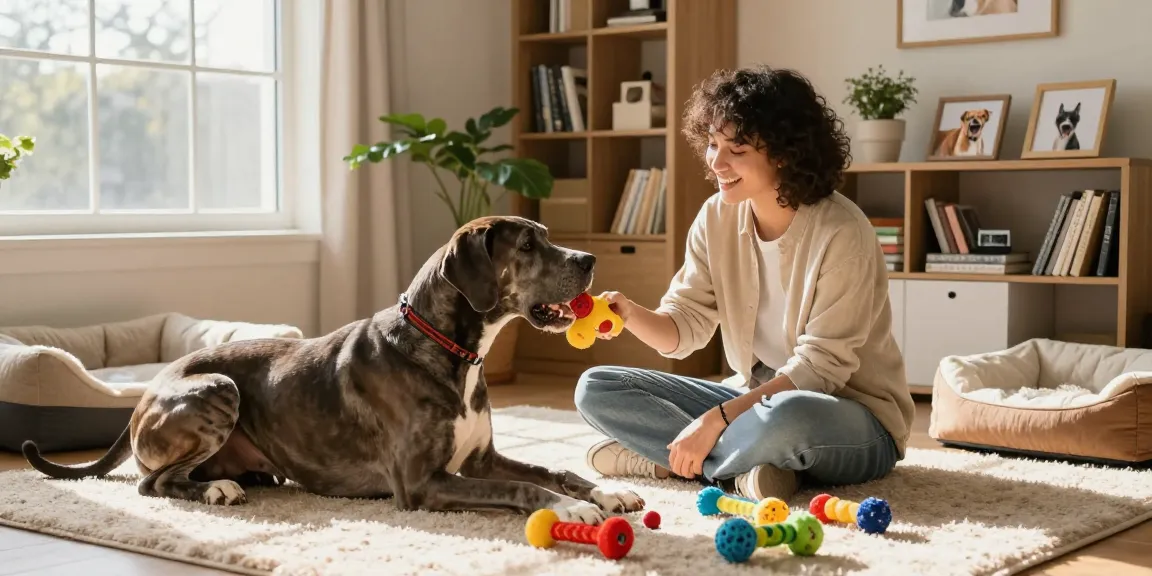
- Toys: Large, durable toys are recommended to withstand chewing and playful antics.
Pet-Proofing Your Living Space
Great Danes are curious by nature, and their size means they can easily reach and knock over items within your home. Here are some tips for pet-proofing your space:
- Secure Small Items: Keep valuable or breakable items out of reach.
- Electrical Cords: Hide or secure electrical cords to prevent chewing.
- Toxic Plants and Substances: Research and remove any plants or household items that are toxic to dogs.
Effective Indoor and Outdoor Spaces
Your living environment should cater to the needs of your Great Dane both indoors and outdoors. Indoors, ensure they have a comfortable area to relax, while outdoors, provide a secure space for them to play. If you have a yard, it should be fenced to prevent escape. A shaded area will also help protect them from overheating during warm weather.
Training Techniques for a Well-Behaved Dane
Basic Commands Every Great Dane Should Know
Training is essential for all dogs, especially for large breeds like Great Danes. Start with basic commands such as:
- Sit
- Stay
- Come
- Leave it
Teaching these commands can help in managing their behavior both at home and in public.
Positive Reinforcement Strategies
Utilizing positive reinforcement is the most effective method for training your Great Dane. Reward them with treats, praise, or playtime when they successfully follow commands. This builds trust and encourages them to repeat desired behaviors.
Advanced Training for Behavior Management
As your Great Dane matures, consider advanced training techniques, especially if you notice any behavioral issues. Consistency and patience are vital during this process. Working with a professional trainer familiar with large breeds can also be beneficial.
Enhancing the Bond Between You and Your Pet
Fun Activities to Enjoy Together
Engaging in fun activities can significantly strengthen the bond between you and your Great Dane. Consider activities such as:
- Long walks or hikes: Great Danes enjoy exploring the outdoors.
- Fetch: A classic game that can help them expend energy.
- Agility training: Set up an agility course in your backyard for mental and physical stimulation.
Understanding Your Dane’s Body Language
Being able to read your Great Dane’s body language can enhance your communication with them. Signs of excitement, fear, or aggression can include:
- Tail Position: A wagging tail usually indicates happiness, while a tucked tail can signify fear.
- Ear Position: Erect ears suggest alertness, while flattened ears can indicate discomfort.
Understanding these signals helps in creating a safe environment for your dog.
The Importance of Regular Interaction
Regular interaction is vital for your Great Dane’s emotional well-being. Make time for daily cuddles, play, and training to foster a trusting relationship. Their need for companionship means they thrive on interaction with their owners.
Future Trends in Pet Care for Large Breeds
Innovative Nutrition Solutions and Products
As pet care continues to evolve, so do the options in nutrition for large breeds. Future trends indicate a focus on personalized nutrition plans tailored to the specific health needs of Great Danes, utilizing technology to create customized feeding regimens.
Emerging Technologies for Pet Health Monitoring
The rise of smart collars and health Monitoring apps allows pet owners to track their dog’s activity levels, diet, and overall health metrics. These technologies can alert you to potential health issues before they become serious.
Adapting to Changes in Pet Care Regulations
As regulations surrounding pet care evolve, it’s essential to stay informed about new guidelines that may impact how you care for your Great Dane. Keeping abreast of these changes ensures that you are providing the best care possible.
What are some effective training methods for Great Danes?
Effective training methods for Great Danes often include positive reinforcement, consistency, and patience. Starting with basic commands and gradually progressing to advanced training will yield the best results.
How can I ensure my Great Dane stays healthy?
To ensure your Great Dane stays healthy, maintain a balanced diet, schedule regular veterinary visits, and provide ample exercise.
What are the best toys for a Great Dane?
The best toys for a Great Dane are those that are durable and large enough to prevent choking. Look for heavy-duty chew toys or interactive puzzles.
How do I socialize my Great Dane properly?
Proper socialization of your Great Dane involves supporting them through positive experiences with various people and animals, using controlled environments like puppy classes or supervised playdates.
What are some common behavioral issues in Great Danes?
Common behavioral issues in Great Danes may include separation anxiety, excessive barking, or stubbornness. Addressing these issues early through training and socialization is essential.
