
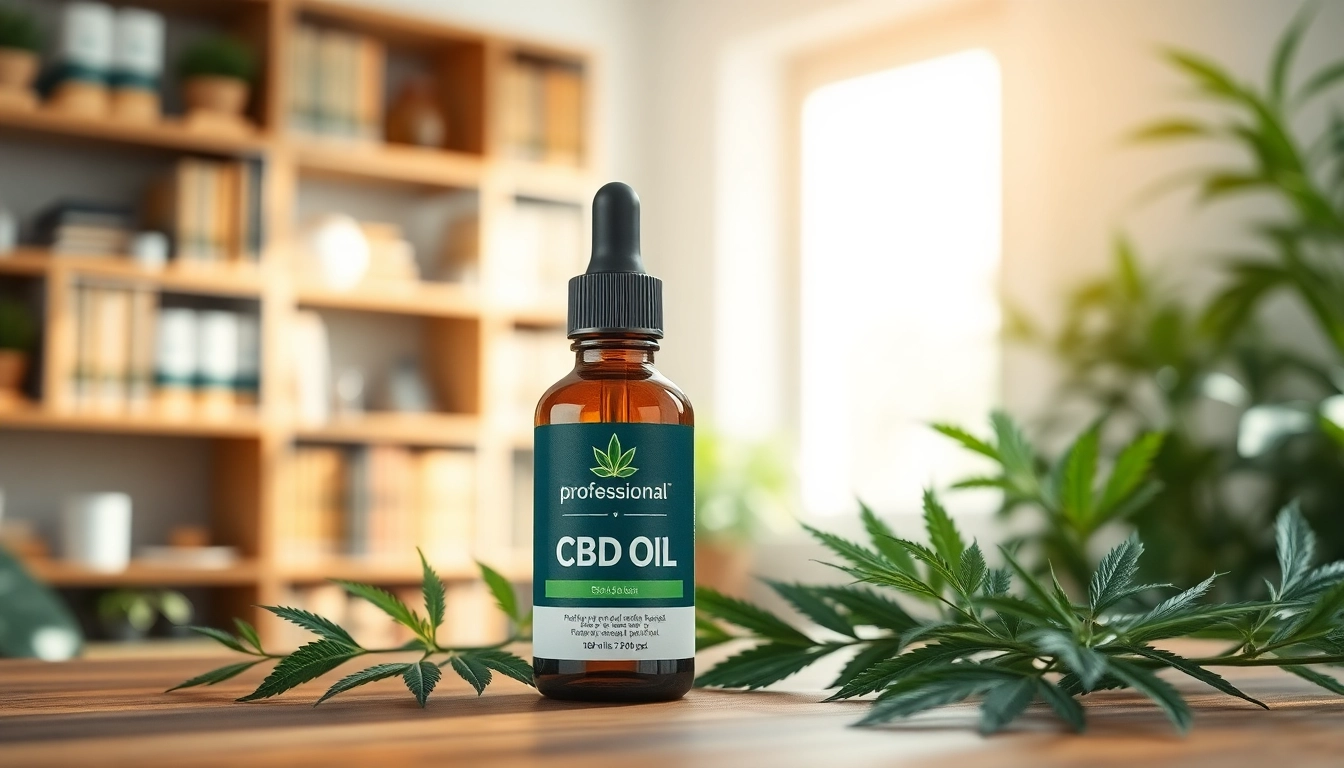
The Basics of CBD Oil
What is CBD Oil?
Cannabidiol, commonly referred to as CBD, is a non-psychoactive compound derived from the cannabis plant. Unlike its well-known counterpart, tetrahydrocannabinol (THC), which is responsible for the euphoric high associated with marijuana, CBD does not produce intoxicating effects. Instead, it interacts with the body’s endocannabinoid system, which plays a crucial role in regulating a variety of physiological processes, including mood, pain perception, and immune response. This unique profile has made CBD Oil a sought-after natural remedy for many health issues.
How is CBD Oil Made?
The production of CBD Oil typically involves several steps, starting with the extraction of CBD from hemp or marijuana plants. There are various extraction methods, including CO2 extraction, solvent extraction, and olive oil extraction. Among these, CO2 extraction is widely regarded as the safest and most effective method, as it preserves the purity and potency of the final product.
Once extracted, the CBD is usually mixed with a carrier oil, such as MCT oil or hemp seed oil, to improve absorption and bioavailability. The final product may undergo additional processes such as distillation to enhance purity, leading to full-spectrum, broad-spectrum, or CBD isolate oils. Full-spectrum oils contain all the natural compounds found in the hemp plant, including other cannabinoids and terpenes, whereas broad-spectrum oils contain a wide range of cannabinoids without THC, and isolates contain pure CBD.
Legal Status of CBD Oil
The legal status of CBD Oil varies by country and region. In the United States, the 2018 Farm Bill legalized hemp-derived CBD containing less than 0.3% THC, making it legal at the federal level. However, state laws can differ widely, with some states permitting the use of THC-containing products, while others impose restrictions or bans. It is crucial for consumers to understand the legal landscape in their area before purchasing or using CBD Oil to ensure compliance with local laws.
Health Benefits of CBD Oil
Reducing Stress and Anxiety with CBD Oil
One of the most widely recognized benefits of CBD Oil is its potential to reduce symptoms of stress and anxiety. Research has shown that CBD can influence the serotonin receptors in the brain, which play a crucial role in mood regulation. Studies suggest that CBD may help reduce anxiety in individuals with Generalized Anxiety Disorder, Social Anxiety Disorder, and Post-Traumatic Stress Disorder by promoting a sense of calm and relaxation without the sedative effects commonly associated with pharmaceutical anxiolytics.
Individuals have reported experiencing significant improvements in their anxiety levels after using CBD Oil, contributing to its growing popularity as a natural solution for anxiety management.
Cannabidiol for Pain Relief
The analgesic properties of CBD Oil have garnered considerable attention for their potential in pain management. Research has indicated that CBD interacts with endocannabinoid receptors involved in pain regulation, thus providing relief from chronic pain conditions such as arthritis, fibromyalgia, and multiple sclerosis. Unlike many opioids and pharmaceutical pain relievers, CBD Oil presents a lower risk of addiction and unwanted side effects, making it an attractive alternative for those seeking pain relief.
Many users have successfully incorporated CBD Oil into their pain management regimes, noting substantial reductions in discomfort and improvements in quality of life.
Potential Anti-Inflammatory Properties of CBD Oil
CBD Oil is also being studied for its anti-inflammatory properties. Chronic inflammation is linked to various health issues, including autoimmune diseases, heart conditions, and metabolic disorders. Preliminary research suggests that CBD may help reduce inflammation by inhibiting the production of pro-inflammatory cytokines. As a result, CBD Oil may be beneficial for individuals experiencing chronic inflammatory conditions, aiding in symptom relief and promoting overall health.
While more robust clinical trials are necessary to fully understand the extent of CBD’s anti-inflammatory effects, existing studies show promising results, indicating potential benefits for those suffering from inflammatory conditions.
Different Forms of CBD Oil
Tinctures and Oils
CBD tinctures and oils are among the most popular forms of CBD consumption. Typically delivered in dropper bottles, they can be taken sublingually, allowing for quick absorption into the bloodstream. Tinctures often come in varied concentrations, providing users with the flexibility to adjust their dosage according to their individual needs. This method is favored for its convenience and versatility.
Capsules and Edibles
CBD capsules and edibles, such as gummies and chocolates, offer a discreet and often tasty way to consume CBD. These products provide a pre-measured dose of CBD, making them easy to administer, especially for those who might be new to CBD usage. However, the onset of effects can be slower compared to tinctures, as they require digestion before entering the bloodstream.
Topical Applications
For localized relief, CBD-infused creams, balms, and lotions have become increasingly popular. These topical applications allow CBD to target specific areas, making them an effective option for conditions such as joint pain, muscle soreness, and skin issues. Users often appreciate the soothing effect of these products, which can also promote daily skincare routines.
How to Choose the Right CBD Oil
Understanding CBD Oil Concentrations
When selecting CBD Oil, it is essential to pay attention to the concentration levels. CBD oils are typically labeled with their total cannabinoid content in milligrams per serving. Beginners should start with a lower concentration to assess their sensitivity and response before moving to higher concentrations. It’s advisable to gradually increase the dosage until the desired effects are achieved.
Quality and Source Considerations
Not all CBD Oils are created equal; quality and sourcing are key factors in choosing a trustworthy product. Opt for oils derived from organically grown hemp to minimize exposure to pesticides and harmful chemicals. Look for products that provide third-party lab testing results, confirming the oil's purity, potency, and safety. Companies that are transparent about their sourcing and manufacturing processes demonstrate a commitment to quality.
Additives and Flavorings in CBD Oil
Some CBD Oils are flavored to enhance taste, while others may contain additional ingredients for purported health benefits. It’s important to read labels carefully and choose products that contain natural additives rather than artificial flavorings or sweeteners. Be aware of any potential allergens and individual sensitivities when selecting a CBD Oil product.
Usage Guidelines for CBD Oil
Recommended Dosage for Beginners
For those new to CBD Oil, it is generally recommended to start with a low dose, typically around 5 to 10 mg per day. Monitor how your body responds before gradually increasing the dosage. Every individual may require different amounts due to variations in body weight, metabolism, and personal health conditions. Tracking your experiences can help in finding the most effective dosage.
Timing and Methods of Consumption
When it comes to timing, consider your goals for usage. If you are using CBD Oil for stress relief, taking it in the morning or before stressful situations may be beneficial. Conversely, for pain relief or sleep enhancement, evening consumption might be preferable. Each method of consumption affects the timing of effects—as a general rule, sublingual application and vaping provide the quickest onset, while edibles take longer to metabolize.
Potential Side Effects to Consider
Although CBD is generally considered safe, it can cause minor side effects in some individuals. Common side effects may include fatigue, nausea, irritability, and changes in appetite or weight. If you experience any adverse effects, it is advisable to reduce your dosage or discontinue use and consult with a healthcare professional. Additionally, individuals taking medications should consult with their healthcare provider due to CBD's potential to interact with certain drugs.
In summary, CBD Oil is a versatile product that may offer a variety of health benefits, from anxiety relief to pain management and anti-inflammatory support. Careful selection of quality products, understanding proper dosages, and monitoring effects are critical to achieving optimal wellness outcomes.