
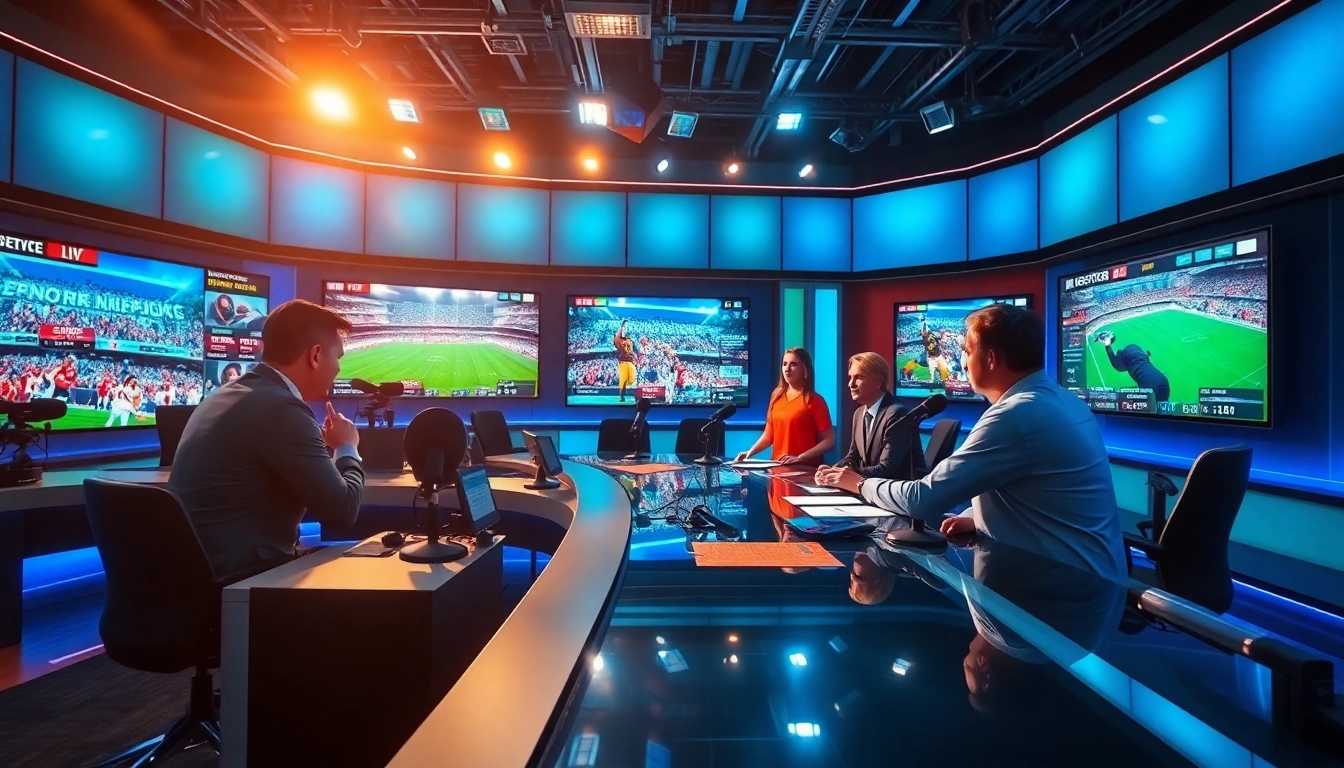
The Fundamentals of Sports Broadcasting
Introduction to Sports Broadcasting
Sports Broadcasting encompasses the processes through which sporting events are covered and conveyed to the audience via various mediums such as television, radio, and digital platforms. In the arena of mass communication, sports broadcasting stands out due to its unique fusion of entertainment, information, and real-time engagement. Through the lens of Sports Broadcasting, we observe not just the events themselves but also the narrative that surrounds them, enhancing viewer experience and interaction.
History and Evolution of Sports Broadcasting
The roots of sports broadcasting can be traced back to the early 20th century when radio broadcasts first began transmitting live events to eager audiences. These inventive transmissions quickly transitioned to television in the 1930s, setting the stage for a revolution in how fans consumed sports. Through the decades, the evolution of technology has transformed sports broadcasting from simple black-and-white broadcasts to vibrant HD video, and digital streaming over the internet. Significant milestones include the introduction of color broadcasts, the advent of satellite television, and the shift to online streaming platforms, each contributing to its expanding reach and sophistication.
Key Technologies in Sports Broadcasting
In today’s fast-paced media landscape, various technologies play pivotal roles in sports broadcasting, each serving specific needs to enhance not only the quality of the broadcast but also the viewer’s experience. Key technologies include:
- High-definition and 4K Broadcasting: These technologies offer viewers incredibly sharp visuals, bringing the action closer to life.
- Live Streaming Technology: The ability to stream games live over the internet allows fans access regardless of location.
- Augmented Reality (AR) and Virtual Reality (VR): These technologies provide immersive experiences, allowing viewers to feel as if they are part of the event.
- Mobile Applications: Increasingly popular, these apps offer real-time updates, statistics, and video snippets.
Types of Sports Broadcasting
Live Sports Broadcasting
Live sports broadcasting is the core of the industry, delivering real-time coverage of events as they unfold. The thrill of live broadcasts brings viewers into the moment, with many opting to watch games live due to the immediacy and excitement it offers. Technological advancements have optimized video streaming capabilities, enabling high-quality uploads free from lag, thus ensuring that fans do not miss a second of the action.
Sports Commentary and Analysis
Beyond merely showing events, sports broadcasting includes detailed commentary and analysis. Commentators provide context, offer insights, and enhance the narrative of the game, shaping how audiences interpret the events. Additionally, pre-game and post-game shows serve to analyze plays, player performances, and team strategies, further engaging the audience and fostering loyalty.
Streaming Platforms and Their Impact
With the rise of streaming platforms, sports broadcasting has undergone a significant transformation. These platforms allow viewers to watch games on-demand, access unique content, and enjoy personalized viewing experiences. The competition between traditional broadcasters and modern streaming services has led to a surge in the quality and diversity of sports content available, pushing innovation and keeping audiences captivated in various ways.
The Audience of Sports Broadcasting
Understanding Viewership Demographics
Grasping the demographics of the audience is vital for networks to tailor their content effectively. Traditional viewership has largely consisted of middle-aged adults, but recent studies reveal a growing trend of younger viewers opting for streaming services. Sports broadcasters must understand these shifts to create programming that resonates with their varied audience segments.
Engagement in Sports Broadcasting
Engaging the audience goes beyond just broadcasting; it includes interaction through social media, fan polls, and real-time feedback during broadcasts. Initiatives to engage fans enhance loyalty and build a community around the content, fostering long-term relationships with the audience. Many networks actively encourage viewer participation, leveraging technology to make interactions seamless and effective.
Importance of Audience Feedback
Audience feedback is critical in shaping content delivery strategies. By analyzing viewer preferences and engagement patterns, broadcasters can refine their approach to meet audience expectations better. Surveys, social media metrics, and viewing statistics provide invaluable data that can inform decisions about what content works best, enabling networks to stay relevant in a competitive marketplace.
Challenges in the Sports Broadcasting Industry
Regulatory and Compliance Issues
The sports broadcasting industry faces several regulatory challenges, particularly concerning copyright laws and broadcasting rights. Broadcasters must navigate complex legal frameworks that dictate how live events and highlights can be shared or distributed. Keeping abreast of changing laws in different jurisdictions is essential to avoid legal pitfalls that could hinder operations.
Technological Challenges in Sports Broadcasting
While technology has driven advancements in sports broadcasting, it has also presented challenges. Issues such as ensuring stable internet connections for streaming services and managing bandwidth during peak times can affect viewer experience. Moreover, as new technologies emerge, broadcasters must continually invest in infrastructure and training to stay competitive and to broadcast high-quality content consistently.
Maintaining Quality Content
While producing engaging and informative content is paramount, maintaining a consistent quality is challenging. Broadcasters must contend with diverse audience expectations while rigorously ensuring that all output is professionally produced. Establishing clear content guidelines and investing in skilled personnel are fundamental strategies for upholding content quality and audience satisfaction.
The Future of Sports Broadcasting
Emerging Trends and Technologies
The future of sports broadcasting is promising, with numerous emerging trends reshaping the industry landscape. Technologies such as blockchain could transform how live streaming works, ensuring better transparency and security for transactions. Furthermore, analytics and artificial intelligence tools offer broadcasters deeper insights into viewer habits, enabling even more targeted content delivery.
Impact of Social Media on Sports Broadcasting
Social media has irrevocably changed sports broadcasting, acting as both a promotional tool and a platform for fan engagement. Networks leverage platforms like Twitter, Instagram, and Facebook to provide real-time updates and create conversations around events. As the line between traditional broadcasting and social media continues to blur, the industry must adapt rapidly to the evolving digital environment.
Predictions for the Upcoming Decade
Looking ahead, we can anticipate a more integrated viewing experience defined by advanced technological convergence. The integration of live broadcasts with interactive content, personalized viewing options, and augmented reality experiences will become standard. As audiences increasingly demand flexibility and varied content formats, broadcasters will need to embrace innovation while maintaining the essence of live sports excitement.
Frequently Asked Questions
What is sports broadcasting?
Sports broadcasting refers to the process of covering and delivering live sports events to audiences via television, radio, and online streaming platforms, offering both action and commentary.
How has technology changed sports broadcasting?
Technology has transformed sports broadcasting by introducing high-definition video, live streaming, augmented reality, and mobile apps, enhancing the viewing experience dramatically.
What challenges does sports broadcasting face?
Challenges include navigating regulatory requirements, ensuring technological reliability, maintaining content quality, and adapting to rapidly changing audience preferences.
What impact does social media have on sports broadcasting?
Social media enhances viewer engagement, allows for real-time interaction, and serves as a platform for promotional content, pivotal for broader audience reach and connection.
What is the future of sports broadcasting?
The future of sports broadcasting includes more personalized experiences, integrated content, and advanced technologies like AI and VR, shaping how viewers engage with sports.