









The Fundamentals of CBD
Cannabidiol, commonly known as CBD, has garnered significant attention in recent years, transforming from a misunderstood compound into a widely accepted supplement with various health benefits. Unlike its cousin, THC (tetrahydrocannabinol), CBD does not induce a psychoactive effect, making it an attractive option for individuals seeking relief without the “high” associated with cannabis. This article delves deep into the essence of CBD, explaining its mechanisms, legal status, and what science says about its effects on the body. For those interested in learning more, CBD is particularly relevant as researchers continue to uncover its potential.
What is CBD?
CBD is one of over 100 identified cannabinoids found in the cannabis plant. It is primarily extracted from hemp, a variety of cannabis that contains minimal THC. Typically available in oil, capsules, edibles, and topicals, CBD has been celebrated for its therapeutic properties. Research has indicated that CBD interacts with the endocannabinoid system (ECS), which plays a critical role in regulating various physiological processes, including pain, mood, and immune response. Conversationally, CBD is often featured in wellness discussions due to its potential to alleviate symptoms without the intoxicating effects typical of THC.
How CBD Works in the Body
The human body possesses an endocannabinoid system comprised of receptors known as CB1 and CB2, which are primarily found in the brain and immune system, respectively. When consumed, CBD binds with these receptors, facilitating the regulation of several bodily functions. This interaction can lead to various effects, such as reduced anxiety, pain relief, and anti-inflammatory responses. One of the significant advantages of CBD is its ability to modulate the ECS rather than directly binding to cannabinoid receptors, which allows for a more subtle and controlled impact on bodily functions.
Legal Status and Regulation of CBD
The legal landscape surrounding CBD is complex and varies significantly from country to country and state to state. In the United States, the passage of the Agriculture Improvement Act opened up legal pathways for hemp-derived CBD products, provided that they contain less than 0.3% THC. However, CBD regulations can be opaque; thus, consumers should ensure they are familiar with local laws and regulations before purchasing. Since the market is still developing, it’s also crucial to stay informed about any changes to legislation that may affect product availability and quality.
Health Benefits of CBD
Research into the health benefits of CBD is expanding rapidly, with numerous studies suggesting that it may help manage various health conditions. These potential benefits span mental health, physical health, and a general sense of well-being.
Relief from Anxiety and Stress
Anxiety disorders are among the most common mental health issues, affecting millions of individuals worldwide. Several studies have suggested that CBD may effectively reduce symptoms of anxiety, panic, and social anxiety. Unlike traditional anti-anxiety medications that can carry significant side effects, CBD appears to have a better safety profile. One of the mechanisms attributed to its effectiveness is CBD’s ability to enhance serotonin signaling in the brain, often described as the ‘feel-good’ neurotransmitter. By promoting balanced levels of serotonin, CBD may help individuals achieve a state of calm without the risks associated with conventional medications.
Managing Pain with CBD
Chronic pain is a widespread issue with debilitating consequences. Research indicates that CBD may have analgesic properties, making it a potential alternative for individuals seeking relief. CBD interacts with the body’s endocannabinoid receptors to diminish inflammation and signal pain reduction. Some studies have shown promising results for conditions such as arthritis, fibromyalgia, and multiple sclerosis. However, further research is necessary to determine effective dosing methods and delivery systems for pain management.
Potential Neuroprotective Properties
Neurodegenerative diseases, such as Alzheimer’s and Parkinson’s, pose significant challenges for many older adults. Emerging research suggests that CBD may possess neuroprotective properties, potentially slowing the progression of these conditions. It appears that CBD’s anti-inflammatory and antioxidant effects may contribute to protecting neurons from damage. Some preclinical studies have indicated that CBD might help inhibit the progression of diseases characterized by neuroinflammation and oxidative stress, although extensive clinical trials are needed to confirm these effects.
Common Uses of CBD Products
CBD products have permeated various aspects of wellness and daily routine. With a plethora of options available, consumers can select products that best fit their lifestyles and needs.
CBD Oils and Tinctures
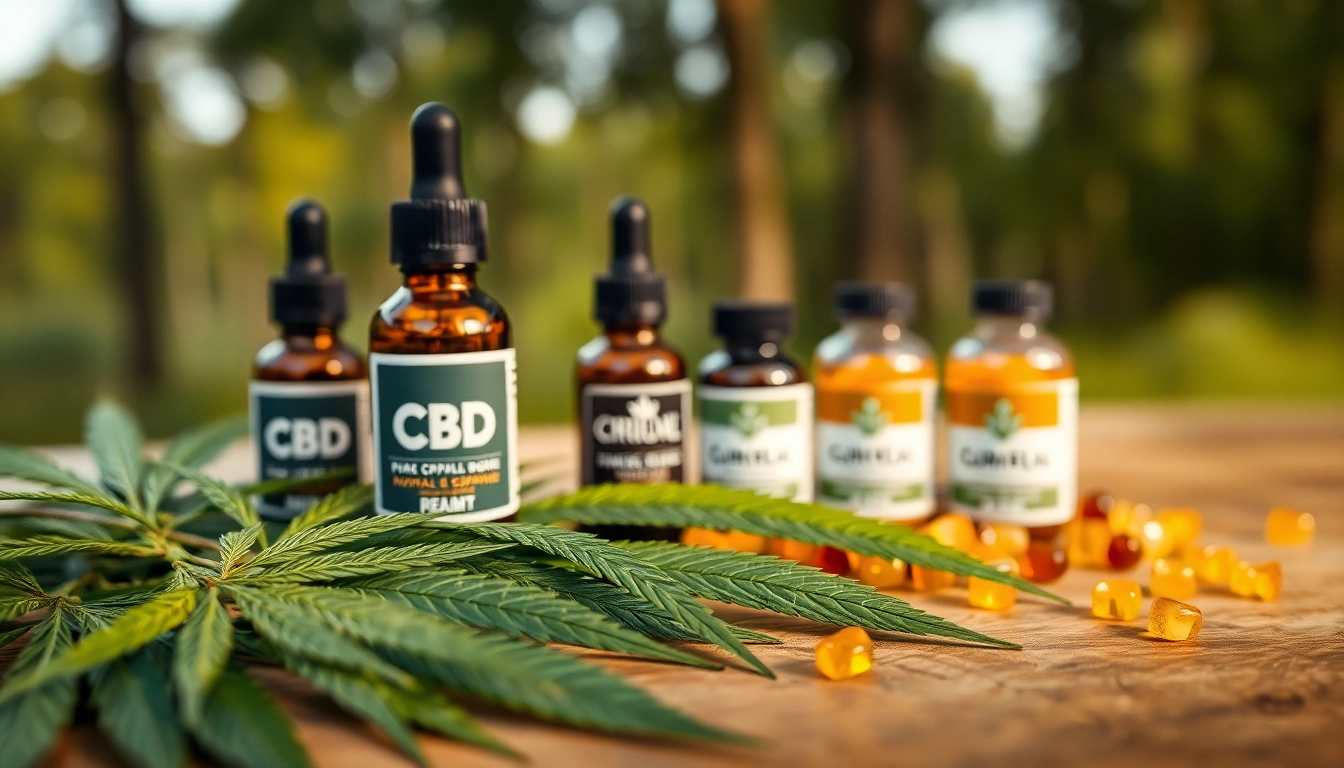
CBD oils and tinctures are among the most popular forms of CBD product. They are typically consumed sublingually (under the tongue) for rapid absorption. These products may contain a range of concentrations and come from various extraction methods, including full-spectrum, broad-spectrum, and isolate processes. Users appreciate the versatility and control offered by oils, as the dosage can be easily adjusted to meet individual requirements.
CBD Edibles: Gummies and More
CBD edibles, including gummies, chocolates, and beverages, are an increasingly favored option for those who prefer a tasty treat while consuming their supplements. Edibles offer pre-measured doses of CBD, making it convenient to track intake. However, consumers should be aware that the effects of edibles may take longer to manifest compared to oils, as they must first be digested before entering the bloodstream.
Exceptional Applications: Skincare and Beyond
The beauty and skincare industry has also recognized the potential of CBD as a beneficial ingredient. CBD-infused topicals, such as creams, lotions, and balms, are believed to deliver localized relief from pain and inflammation while also providing hydration and nourishment to the skin. The antioxidant properties of CBD may also aid in protecting the skin from environmental damage and promoting a healthy complexion. As interest in holistic beauty grows, CBD’s presence in skincare is likely to expand further.
Understanding CBD Safety and Side Effects
While CBD holds promise, it is essential to approach its use with caution. Understanding potential side effects and interactions is crucial for ensuring a safe experience.
Common Side Effects of CBD
Although most users tolerate CBD well, some may experience side effects. Common adverse reactions may include dry mouth, fatigue, changes in appetite, and diarrhea. Being mindful of dosage and individual tolerance is important, with many users finding success at low doses before gradually increasing their intake. Lastly, non-consumable reactions, such as skin irritations with topical products, should be monitored.
Interacting Medications and CBD
Another critical aspect to consider is how CBD might interact with other medications. CBD can inhibit certain liver enzymes responsible for drug metabolism, potentially increasing the effects of other medications. For those on prescription medications, it is advised to consult healthcare professionals to evaluate possible interactions and establish a safe regimen, especially for those taking medications for chronic conditions.
Consulting Health Professionals About CBD
As interest in CBD continues to rise, it’s essential for consumers to seek guidance from health professionals familiar with its use. Healthcare providers can offer tailored advice regarding appropriate products and dosages based on individual health profiles. This collaboration can help users maximize the potential benefits of CBD while minimizing adverse effects and interactions.
Selecting Quality CBD Products
With the growing market for CBD products, consumers must be discerning in their product choices to ensure safety and efficacy.
Identifying Reliable Brands
When choosing CBD products, it is crucial to identify reputable brands known for transparency, quality, and safety. Consulting third-party lab test results, which provide evidence of cannabinoid concentrations and absence of contaminants, is an excellent starting point for evaluating brand reliability. Brands that are forthcoming about their sourcing, extraction methods and product testing practices exhibit higher integrity and trustworthiness.
Understanding Lab Testing for CBD
Lab testing is a foundational aspect of ensuring product quality. A Certificate of Analysis (COA) from an independent testing facility should accompany all quality CBD products. The COA provides data on cannabinoid concentrations, THC levels, and tests for potential contaminants like heavy metals, pesticides, and residual solvents. Reviewing these results allows consumers to make informed decisions and select safe products.
Reading Labels: What to Look For
Reading product labels is essential for understanding what you are consuming. Key aspects to look for include total CBD content, serving size recommendations, other active ingredients, and the type of extraction method used. Transparency in labeling offers reassurance regarding the product’s integrity and helps consumers avoid misleading claims.