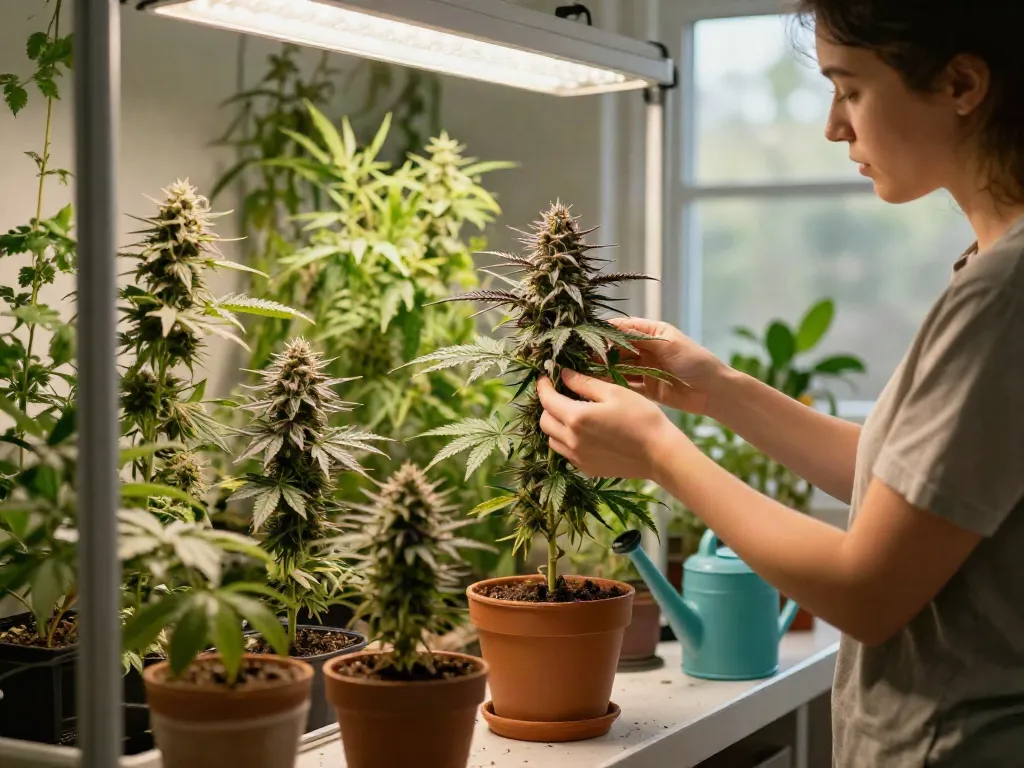
Understanding Autoflower Cannabis Seeds
Autoflower cannabis seeds have revolutionized the cultivation landscape by providing growers with a range of advantages that cater to both novice and experienced horticulturists. Unlike traditional photoperiod seeds, which rely on changes in light cycles to trigger flowering, autoflower seeds flower automatically based on their age. This unique trait allows for faster growth cycles, making them an appealing option for anyone looking to optimize their gardening efforts. When exploring options, autoflower cannabis seeds present a practical solution for efficient cultivation.
What Are Autoflower Cannabis Seeds?
Autoflower cannabis seeds are derived from a special type of cannabis known as Cannabis ruderalis. This strain is characterized by its ability to flower independently of the light cycle. Essentially, autoflowering plants will transition from the vegetative to the flowering stage automatically after a specific period, regardless of the amount of light they receive. This behavior has been leveraged in modern breeding techniques, resulting in hybrids that combine the desirable traits of both ruderalis and popular photoperiod strains.
Benefits of Choosing Autoflower Strains
- Speed: Autoflower strains typically have a shorter life cycle than their photoperiod counterparts, often ranging from 7 to 10 weeks from seed to harvest.
- Ease of Growth: These seeds are ideal for beginners since they require less monitoring of light schedules.
- Compact Growth: Autoflowering plants are generally smaller and bushier, making them perfect for discreet outdoor or indoor setups.
- Multiple Harvests: The quick turnaround allows growers to cultivate multiple crops in a single season, maximizing yield potential.
Common Misconceptions About Autoflowering Genetics
One prevalent myth is that autoflowering plants are inferior in potency or yield compared to regular photoperiod strains. While it's true that early autoflower varieties may have lagged behind in THC content, advancements in breeding have led to the development of high-quality autoflower strains that yield potent and aromatic buds. Growers should carefully review strain specifications to find autoflower genetics that suit their desired outcomes.
Genetics and Breeding of Autoflower Cannabis
How Autoflowering Plants Are Developed
The breeding of autoflowering plants primarily involves crossbreeding Cannabis ruderalis with other cannabis strains to incorporate automatic flowering traits while enhancing potency and flavor profiles. The goal is to create stable genetics that retain the fast-flowering characteristic without sacrificing the quality commonly found in photoperiod strains. Over the years, breeders have honed their techniques, leading to numerous successful hybrids that now dominate the market.
Popular Autoflower Cannabis Strains and Their Traits
Several autoflower strains have gained popularity among growers due to their unique characteristics:
- Royal Gorilla Auto: Known for its high THC content and robust yields, this strain combines the powerful effects of the original Royal Gorilla with autoflower genetics.
- Blueberry Auto: A fruity strain that offers a delightful taste and calming effects, Blueberry Auto is perfect for relaxation.
- Bubblegum Auto: This strain offers sweet, bubblegum-like aromas coupled with euphoric effects, making it a favorite for those seeking a unique flavor.
Differences Between Autoflower, Feminized, and Regular Seeds
While autoflower seeds focus on flowering behavior, feminized and regular seeds pertain to the sex of the plant. Feminized seeds are bred to produce only female plants, which are the ones that yield buds, while regular seeds can produce both male and female plants. Autoflowering seeds can be feminized as well, allowing growers to enjoy the benefits of both automatic flowering and guaranteed female plants.
Best Practices for Growing Autoflower Cannabis Seeds
Environmental Conditions for Optimal Growth
To achieve the best results with autoflower cannabis seeds, it’s crucial to provide the right environmental conditions. These plants thrive in temperatures between 68°F to 77°F (20°C to 25°C) and prefer a balanced humidity level of around 50% during the vegetative stage, dropping to 40% during flowering. Proper airflow and light intensity are also essential, with many growers opting for full-spectrum LED lights to mimic natural sunlight.
Nutritional Needs and Growth Cycles
Autoflowering plants typically require less nutrient input than photoperiod strains due to their shorter growth cycle. Start with a light feeding schedule and gradually increase as the plants grow. Nutrients high in nitrogen during the vegetative phase and a shift to phosphorus and potassium-rich fertilizers as the plants transition to flowering will optimize yield and potency.
Common Problems and Their Solutions
Autoflower plants can face several issues, including pests, mold, and nutrient deficiencies. Regularly inspect your plants for signs of pests such as aphids or spider mites. Utilizing organic pest control methods can help maintain plant health. Additionally, ensuring good airflow can prevent mold, especially in dense canopies. If nutrient deficiencies occur, assess your feeding regimen and adjust as necessary.
Harvesting and Yield Expectations for Autoflower Cannabis
Timing Your Harvest: When Is the Best Time?
Determining the right time to harvest is crucial for maximizing potency and flavor. Autoflower strains are typically ready for harvest around 8 to 10 weeks after germination. Growers can rely on trichome coloration as an indicator—clear trichomes suggest the plant is not ready, while cloudy trichomes indicate peak THC levels, and amber trichomes suggest higher CBD content. Harvesting during this window can yield the best results.
Maximizing Yield from Autoflower Strains
To enhance yields, consider implementing low-stress training (LST) techniques. This involves gently bending the branches to allow more light penetration and promote even growth. Additionally, using the right pots and growing medium can significantly affect root health and overall plant vigor, ensuring a robust harvest.
Post-Harvest Processing Tips
After harvesting, proper drying and curing are essential to preserve the quality of the buds. Hang the plants upside down in a cool, dark place with good airflow for about a week. After the initial drying, place the buds in glass jars, opening them periodically to allow moisture to escape. This curing process can enhance flavor and potency over time.
Future Trends in Autoflowering Cannabis Cultivation
Innovative Breeding Techniques to Expect in 2026
As the cannabis industry continues to evolve, expect to see innovative breeding techniques that prioritize not just faster flowering, but also improvements in cannabinoid profiles and disease resistance. Genetic mapping and biotechnology will likely drive advancements in autoflowering strains, providing growers with greater control over traits and stability.
Emerging Autoflowering Varieties and Their Potentials
The market is likely to see an influx of newly developed autoflowering varieties that cater to specific needs, such as heightened therapeutic effects or unique flavor profiles. As consumer preferences shift toward more personalized experiences, the demand for specialized autoflower strains will grow.
How Technology Influences Cannabis Cultivation
Technology will play an increasingly vital role in cannabis cultivation, from automation in watering and harvesting systems to the use of apps that help monitor plant health via smartphones. Growers will be equipped with better tools to optimize their growing conditions, ensuring the healthiest plants and the highest yields possible.
What are the downsides of autoflowering seeds?
While autoflowering seeds offer many advantages, they also come with some challenges. One downside is the limited window for harvesting; once the plant begins flowering, it cannot be reverted back to a vegetative state. Furthermore, some growers find that autos may have lower yields compared to their photoperiod counterparts. However, careful strain selection and effective growing techniques can mitigate these issues.
Who has the best autoflower cannabis seeds?
Reputable suppliers such as PrimeStrains, Royal Queen Seeds, and Dutch Passion are known for their premium autoflower cannabis seeds, often highlighting strain reviews and grower experiences to assist in selection.
How long does it take for autoflower seeds to grow from seed?
Typically, autoflower seeds take around 8 to 10 weeks to grow from seed to harvest, making them a favorite for growers looking for quick turnaround times.
Do you soak autoflower seeds before planting?
Soaking autoflower seeds is not necessary but can help kickstart germination. Many growers prefer using the paper towel method or directly planting the seeds in moist soil to promote sprouting without pre-soaking.