
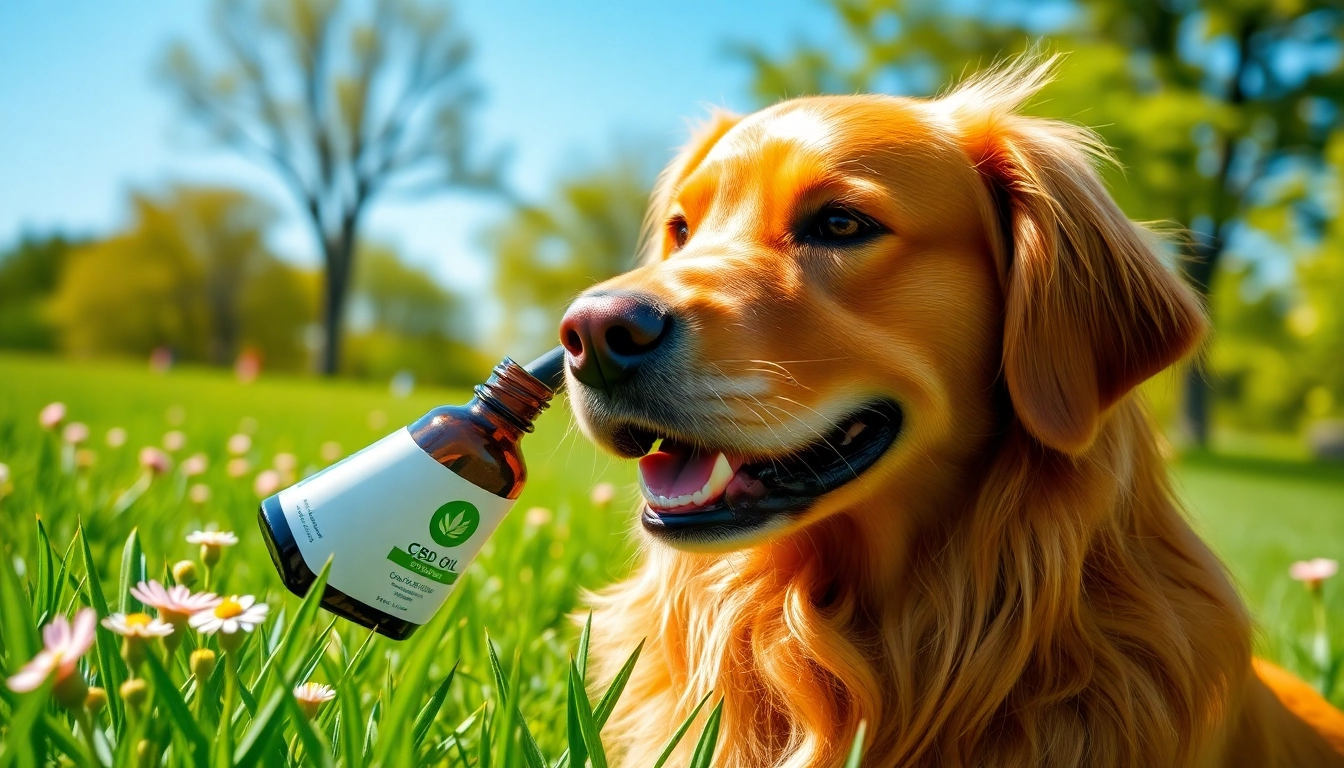
Understanding CBD Oil For Dog: What Pet Owners Need to Know
What is CBD Oil?
CBD oil, short for cannabidiol oil, is a natural extract derived from the hemp plant. Unlike THC, the psychoactive compound found in marijuana, CBD does not produce a "high" effect. Instead, it interacts with the endocannabinoid system, a complex cell-signaling system in the body that plays a crucial role in regulating various physiological processes. For dog owners, understanding what CBD oil is and how it works can open the door to numerous health benefits for their furry companions. With the rise in awareness of holistic pet care, many are turning toward CBD Oil For Dog as a potential health supplement.
How CBD Oil For Dog Works
The endocannabinoid system (ECS) is present in both humans and animals, including dogs. This system helps maintain homeostasis, which means it strives to keep the body's internal environment stable despite changes in the external environment. CBD interacts with the ECS by binding to its receptors, primarily CB1 and CB2. These receptors are linked to various health functions, including mood, pain perception, and immune responses.
When administered, CBD can potentially reduce anxiety, alleviate pain, and promote overall well-being in dogs. By modulating the ECS, it supports vital biological functions, contributing to your dog's quality of life. Studies have shown that CBD products can help manage symptoms associated with chronic conditions like arthritis, epilepsy, and anxiety disorders.
Common Misconceptions about CBD for Pets
Despite the growing popularity and research surrounding CBD for pets, misconceptions persist. One of the most common myths is that CBD is the same as THC and will get a pet high. This is untrue, as CBD is non-psychoactive and primarily therapeutic. Another misconception is that all hemp-derived products are safe and beneficial. The quality and source of CBD oil for dogs can vary significantly. Ensuring that a product is sourced from reputable growers and has undergone third-party testing is crucial for safety and efficacy.
Benefits of CBD Oil For Dog: Improving Quality of Life
Managing Anxiety and Stress
Anxiety is a common issue for many dogs, often triggered by factors such as loud noises, separation, or changes in their environment. CBD oil has shown promise in reducing anxiety levels in dogs. By interacting with the ECS, it helps dogs relax during tense situations, leading to a calmer demeanor. A study indicated that dogs treated with CBD oil showed less distress in situations that typically evoke anxiety.
Relief for Joint Pain and Inflammation
Joint pain due to arthritis or inflammation is a prevalent issue among older dogs. CBD oil's anti-inflammatory properties can help alleviate pain and improve mobility. Studies have suggested that CBD has a significant effect on pain relief, especially in geriatric dogs suffering from osteoarthritis. By helping to reduce inflammation and stop pain signals from reaching the brain, CBD oil can provide much-needed comfort and mobility for older pets.
Support for Seizures and Other Health Issues
Certain neurological disorders can lead to seizures and convulsions in dogs. Some studies have found that CBD may help reduce the frequency and severity of seizures in dogs with epilepsy. It can regulate electrical activity in the brain, contributing to a more stable neurological state. Additionally, CBD oil may provide supportive care for dogs facing serious health challenges such as cancer by managing pain, anxiety, and appetite loss.
Choosing the Right CBD Oil For Dog: A Comprehensive Guide
Key Ingredients to Look For
When selecting a CBD oil for dogs, it is crucial to look for products containing high-quality, organic ingredients. The best oils are derived from U.S.-grown hemp, ensuring they are free from pesticides, heavy metals, and other harmful substances. Additionally, look for oils that include natural flavorings that appeal to your pet, such as chicken or beef, which can greatly enhance palatability.
Understanding THC Levels and Legal Considerations
It is essential to understand the legal landscape surrounding CBD oil and its THC content. In many areas, CBD products must contain less than 0.3% THC to be considered legal. Be sure to verify the product's lab reports to ensure it complies with this regulation. Purchasing CBD oil made explicitly for pets can help ensure that the THC levels are safe for your dog.
Identifying Quality Products and Brands
Not all CBD oils are created equal. When selecting a product for your pet, consider brands that provide transparency regarding their sourcing, manufacturing processes, and third-party lab testing. Look for clear dosage instructions, a Certificate of Analysis (COA), and customer reviews. High-quality brands will often provide educational resources on their websites to help customers make informed choices.
How to Administer CBD Oil For Dog: Best Practices
Calculating the Correct Dosage
Dosing CBD oil can vary based on several factors including your dog’s weight, the severity of their condition, and the concentration of the CBD oil. A general recommendation is to start with a low dose (around 1-5 mg of CBD per 10 pounds of body weight) and gradually increase until the desired effect is reached. Consulting your veterinarian for tailored advice on dosing is always recommended.
Different Methods of Administration
There are several ways to administer CBD oil to your dog. The most common methods include:
- Direct administration: Placing the oil directly into your dog’s mouth is the simplest method. It allows for quicker absorption into the bloodstream.
- Mixing with food: Adding CBD oil to your dog’s food can mask the earthy taste. This method ensures your dog ingests the oil without a fuss.
- Treats: Some brands offer CBD-infused treats, which can help deliver the benefits while serving as a tasty reward.
Monitoring Your Dog's Response to CBD
After administering CBD oil, keep track of your dog's behavior over the following days. Look for signs of improvement such as reduced anxiety, increased vitality, or pain relief. It's essential to monitor for any side effects, which may include lethargy, diarrhea, or changes in appetite. This feedback can help you adjust the dosage or administration method as needed.
Potential Side Effects and Precautions with CBD Oil For Dog
Identifying Possible Side Effects
While CBD is generally well-tolerated in dogs, some may experience mild side effects. Common issues can include drowsiness, dry mouth, and stomach upset. It is essential to watch for any abnormal reactions, especially when starting a new treatment regime. In most cases, side effects can be mitigated by adjusting the dosage.
Precautions for Specific Health Conditions
If your dog has specific health conditions or is on various medications, it’s recommended to consult your veterinarian before introducing CBD oil. Some dogs may have contraindications with certain pharmaceuticals that could affect the efficacy of CBD or cause adverse reactions. Always err on the side of caution and seek professional advice, particularly if your dog has a history of liver or kidney issues.
Consulting with Your Veterinarian
Before incorporating CBD oil into your dog’s health care routine, discussing it with your veterinarian is crucial. A veterinarian can provide insight based on your dog's specific health needs and help monitor their progress safely. They may also offer additional options for managing your dog's condition.